Home · The 4-in-1 method · Biomechanics Pillar 01 · Technical science

Tennis movement & biomechanics

Real data. Real results. Understanding how an athlete moves, balances and generates force — to prevent injuries and unlock speed.
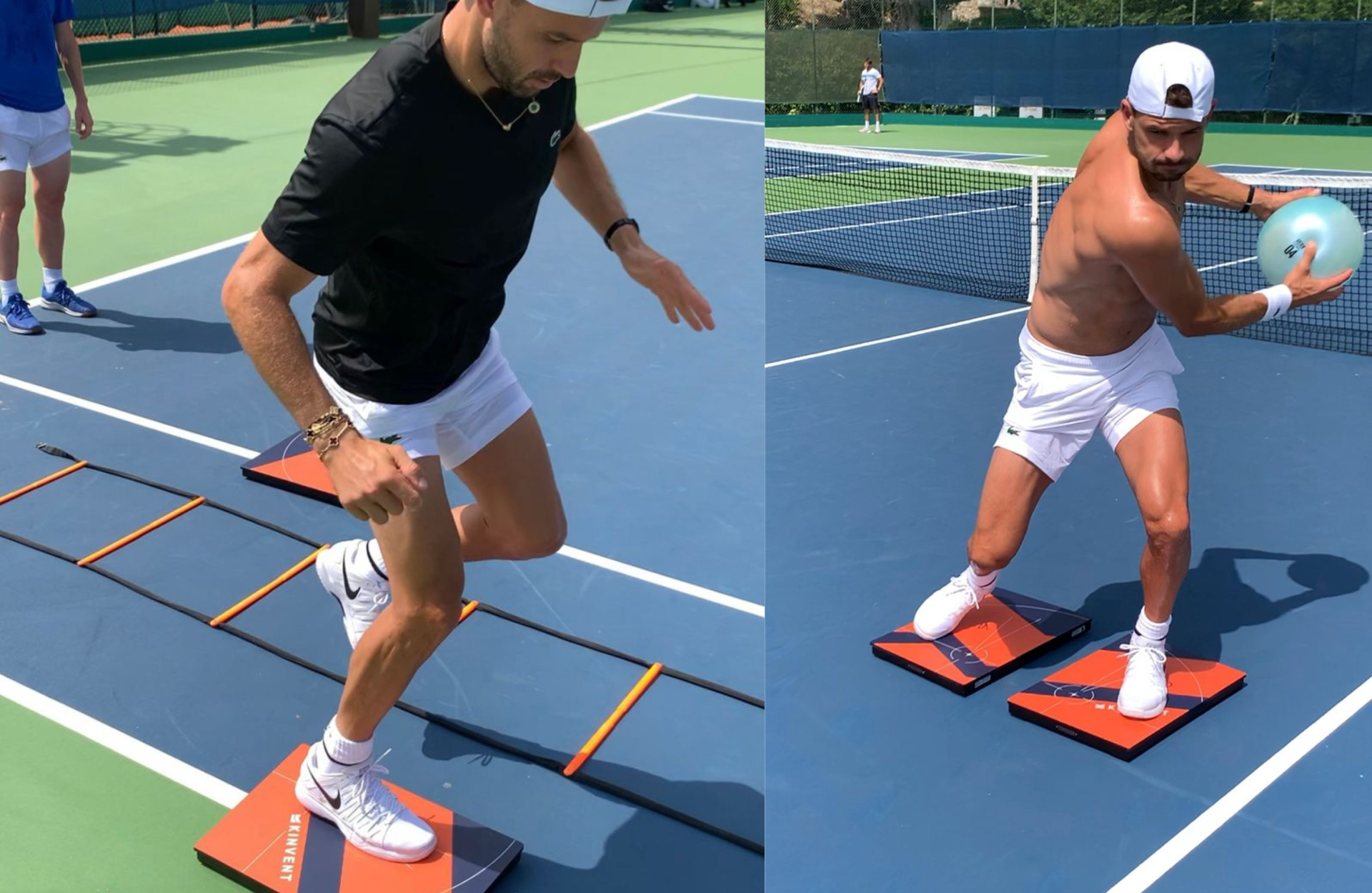
On-court biomechanical testing of a tennis player with force plates
Real data — real results

Instead of a long speech, let’s look at real facts.

A simple power test of the glutes and hamstrings (posterior chain) detected a 14% power deficit in a young player. With this exact data, we immediately rebalanced their physical training programme to prevent injuries and unlock maximum speed.

Want to see how we build fast players? Discover our exclusive Single-Leg Reactive Split-Step (SL-RSS) test.

78%of injuries are caused by overuse.
Injury prevention

Overview of the tests we use.

Each test answers two questions: what we measure, and how it protects the player.
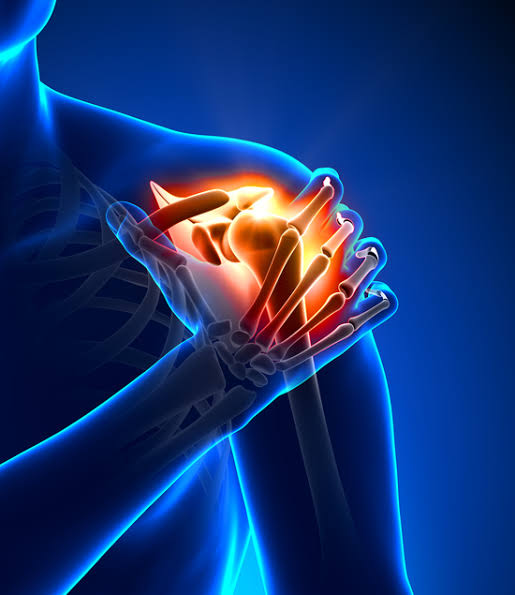
Shoulder protection testing for tennis playersUPPER BODY

Shoulder, arm & wrist

Hand & forearm powerMeasures grip strength to protect the wrist and elbow from intense training and heavy racket vibration.
Shoulder strengthChecks the strength of the rotator cuff and upper back muscles. This balances the shoulder to prevent pain during fast serves.
Shoulder mobility & rotationMeasures how well the shoulder joint moves. Good mobility prevents the shoulder from “pinching” during high overhead hits.
Back protection testing for tennis playersBACK & LOWER BODY

Back, hips & fatigue

Hip & upper back flexibilityStops the lower back from twisting too much.
Jump pushing & landing balanceStops dangerous shockwaves from hitting the spine unevenly.
Nervous system fatigueTells us when to rest the player before the core muscles stop protecting the back.
Single-leg reactive split-step test with Kinvent force plates
The J2Pro signature

A unique tennis test: the SL-RSS.

We do not just use tools; we create exclusive tests designed specifically for modern tennis requirements.

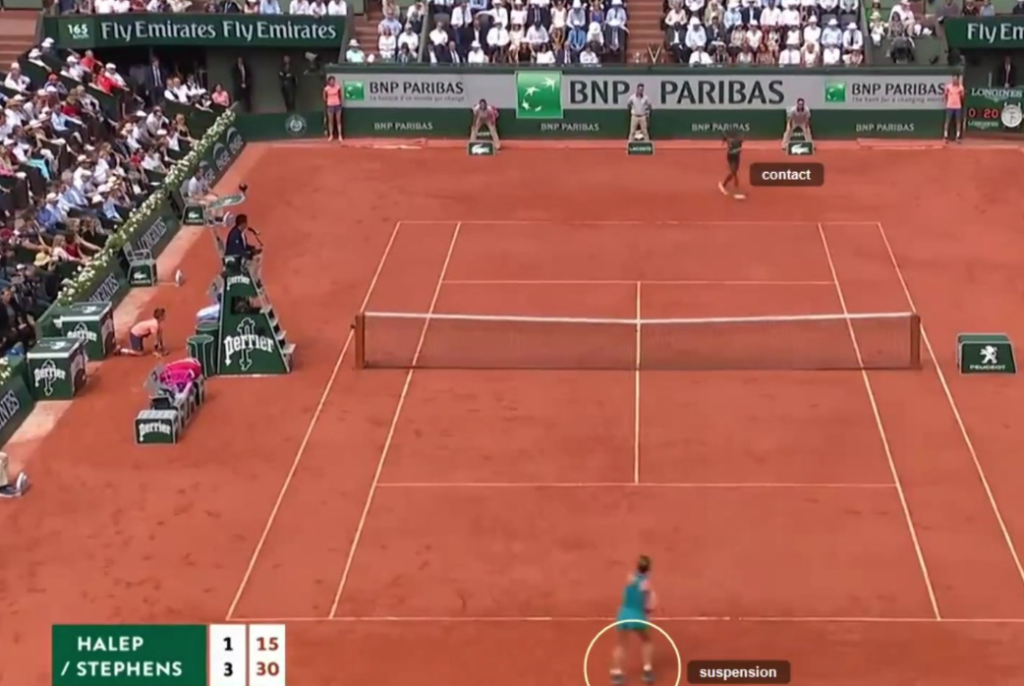
As experts in tennis movement, we want to improve our ability to understand and train players. We all know how important the first two steps are in high-level tennis. It all starts with the split step. That’s why we developed the Single-Leg Reactive Split Step (SL-RSS).

It can be measured during all types of footwork — forward, backward and lateral — whether at the start of a point or after 8 or 9 shots, to understand how effort affects the quality of movement.

Create · Innovate · Perform — read the article →
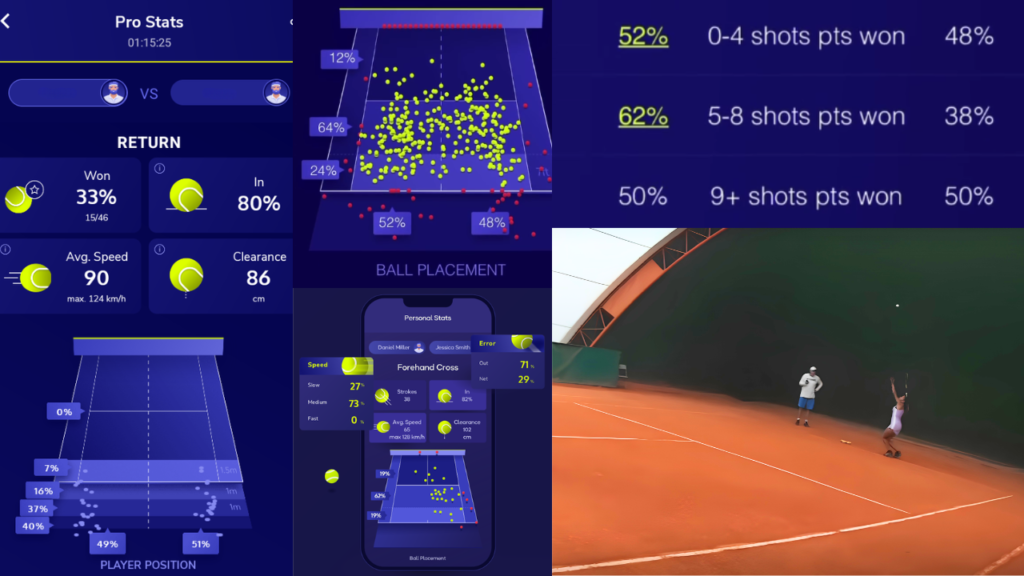
Shot tracking data combined with movement analysis
Next level

Track the performance of each shot.

When we talk about taking player analysis to the next level — and very few of us do that today — we can combine the two tests. That’s why we need equipment that can be used on the court.

This intelligent system helps us understand how the player moves and, above all, the quality of their shots.

Book your spot
Want a full biomechanical screening?Call or send a message: +33 665 733 943