
Home · Junior to Pro · Transition programme Junior to pro transition

Junior to pro tennis coaching: a structured transition to the pro tour

The jump from the ITF Junior Tour to the professional circuit is a structural change, not a technical one. We build the structure around the player — coaching, data, calendar, budget and partners — so talent becomes a career.
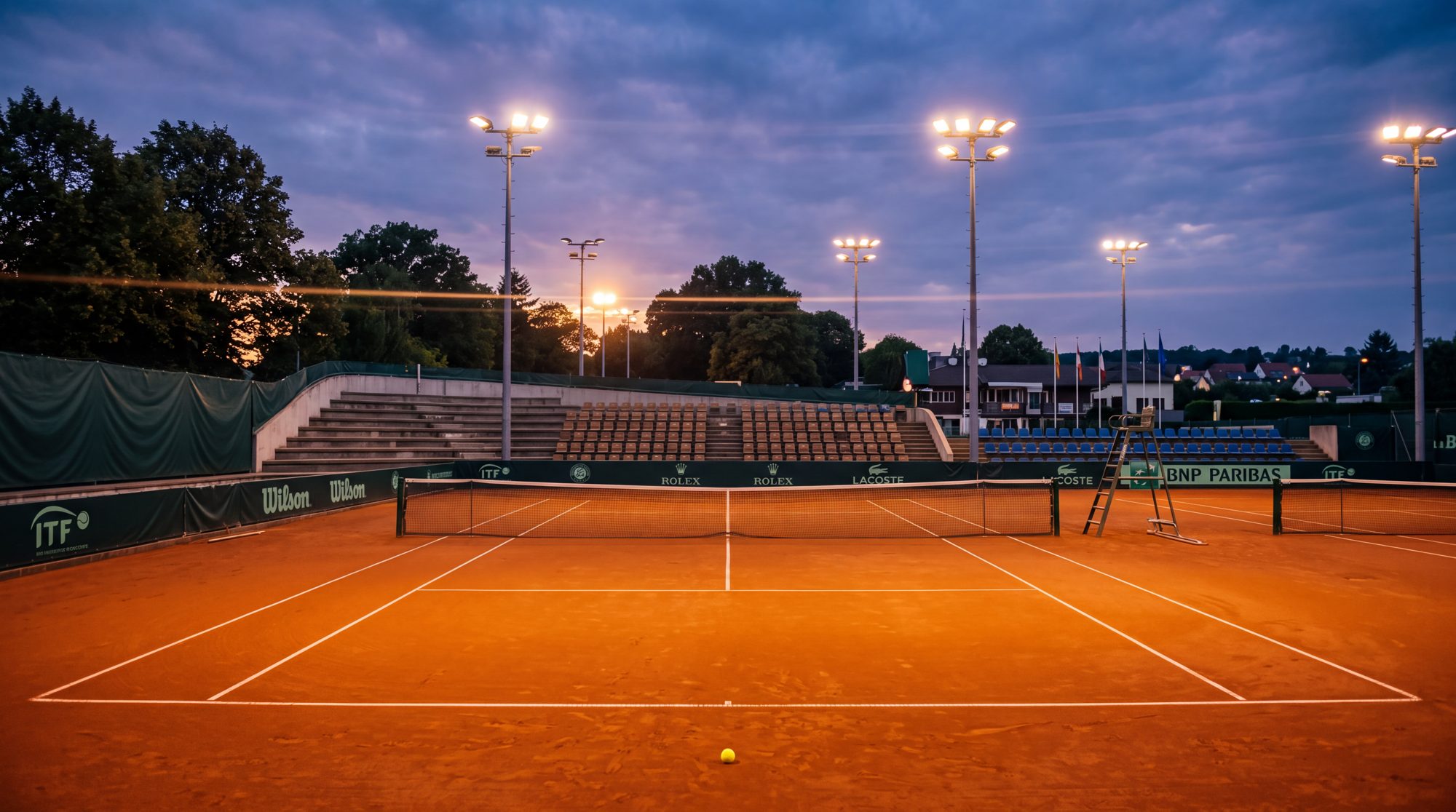
Floodlit clay court at an ITF tournament — the junior to pro transition in tennis
Our definition of “pro”

A professional pays for their career with their tennis.

For us, the high level begins when a player is financially independent from tournament earnings — in reality, a ranking around the Top 150 to 200 on the WTA or ATP.

Players below that level can be 100% professional in their training, discipline and attitude. The difference is financial reality. That is why families need a clear plan early: the pro tour is a serious project, not a hobby.

Read the 40 questions of the Guide 40-Q →
Top 150 – 200The level where a player becomes financially independent
From 14The usual starting age: the ITF Junior Tour and a key growth phase
1 · 1 · 1 · 1One coach, one player, one family, one staff
The programme

Five stages, one pathway.

01Game identityTennis Europe 14&U – 16&U: technique, style of play and first international seasons.
02ITF Junior strategyJ30 to J500: a junior ranking that opens the doors of the pro tour.
03First pro eventsW15 · W35 · M15 · M25: the first WTA or ATP points, planned at the right moment.
04Pro structureCoach, load monitoring, calendar, budget and partners working as one team.
05AutonomyThe player leads the project, with the staff in support.
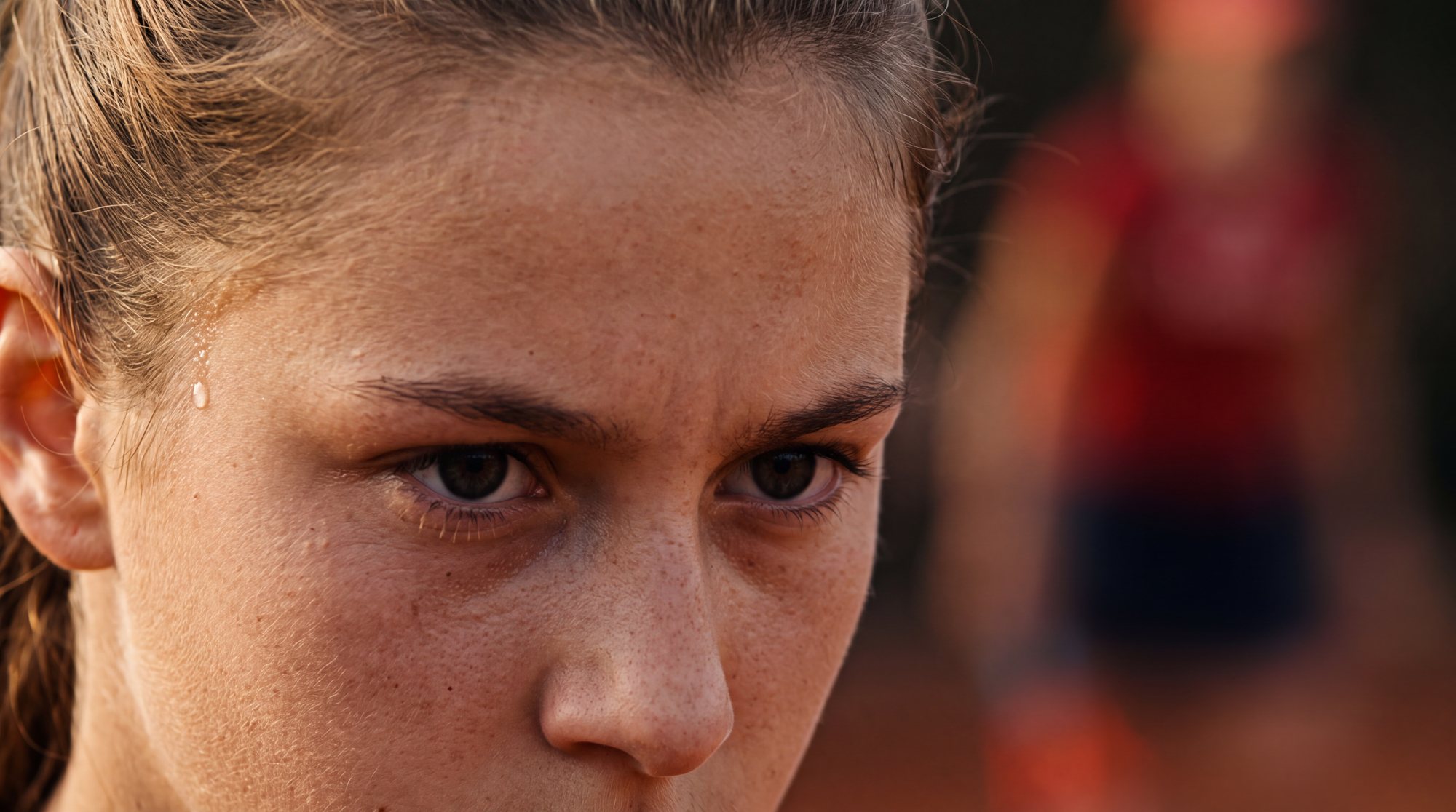
Focused tennis player — the mental side of the junior to pro transition
What the programme includes

A professional structure from day one

Talent is only the starting point. We treat the player’s career like a structured, professional project right from the beginning.

01

Career audit

The PRI-360™ test and an initial assessment — technical, physical, mental and organisational — give a clear, objective starting point and annual goals.

02

Coaching & on-tour support

Private high-performance coaching and a travelling coach for the key tournament blocks, from the ITF Junior Tour to the first professional events.

03

Data & biomechanics

Baseline Vision, Kinvent and J2Pro Motion: every stroke, movement and match measured to guide technical choices and prevent injuries.

04

Load & wellbeing monitoring

The J2Pro Circuit app tracks training load with 4 key indicators, daily wellbeing and red flags, with a clear return-to-play protocol after injury.

05

Calendar & budget

An annual tournament plan built around goals, points, surfaces, travel and budget — shared with the family and adjusted every week.

06

Partners & athlete brand

A professional image, a clean social media strategy and a structured approach to sponsors and equipment partners. No magic solution: strategy, patience and perseverance.

Who it is for

Three moments to start the transition

14 – 16 years oldThe ambitious juniorStrong Tennis Europe or national results, first ITF junior events, and a family ready to build a real project.
16 – 18 years oldThe ITF juniorAn ITF junior ranking, the first W15 or W35 events in sight, and the need to plan the switch without breaking the junior season.
Young professionalThe player on the ITF TourAlready on the ITF World Tennis Tour, but stuck between levels — and in need of structure, data and a clear plan to reach the WTA or ATP.
Our philosophy

One coach, one player, one family, one staff.

Success does not belong to a federation or a large academy. It comes down to a small, dedicated core team with total transparency and shared values.

That is why everyone — player, family, coach, staff and agent — sees the same picture in the J2Pro Circuit app, with a quarterly performance report sent to the whole team.

Junior to pro — questions

When should the junior to pro transition start?

Usually around 14, with the start of the ITF Junior Tour and a key growth phase. Exceptions are possible when a younger player shows real maturity in their mind, their game and their life project.

How long does the transition take?

Several seasons. It starts on the ITF Junior Tour, continues with the first W15/M15 and W35/M25 events, and ends when the player’s ranking makes them financially independent — around the Top 150 to 200.

What is the biggest mistake families make?

Treating a professional project like a hobby, or relying only on raw talent. The career needs a structure, a budget and a plan from the beginning.

Do you help with sponsors and partners?

Yes. We help families build a professional strategy — athlete image, social media and a structured approach to sponsors and equipment partners.

Can a federation or a large academy guarantee success?

No structure can guarantee success. We believe in a small, dedicated core team — one coach, one player, one family, one staff — working with total transparency.

Ready to plan the transition?Start with the free PRI-360™ test, or call +33 665 733 943